Walk into any hospital, clinic, or diagnostic center today and you will see one common thread – disposable medical equipment. From gloves and syringes to IV sets, catheters, and surgical drapes, single use devices are now a core part of modern healthcare.
They are not just about convenience. They play a direct role in patient safety, infection control, operational efficiency, and regulatory compliance. For healthcare providers, they reduce risk. For manufacturers, they represent a fast growing and high demand segment of the medical device industry.
If you are planning to enter the medical device space, understanding the role of disposable medical equipment is the first step toward building a strong and scalable business.
What Is Disposable Medical Equipment?
Disposable medical equipment refers to devices that are intended for single use and then discarded. These products are not designed to be cleaned, sterilized, or reused.
Common examples include:
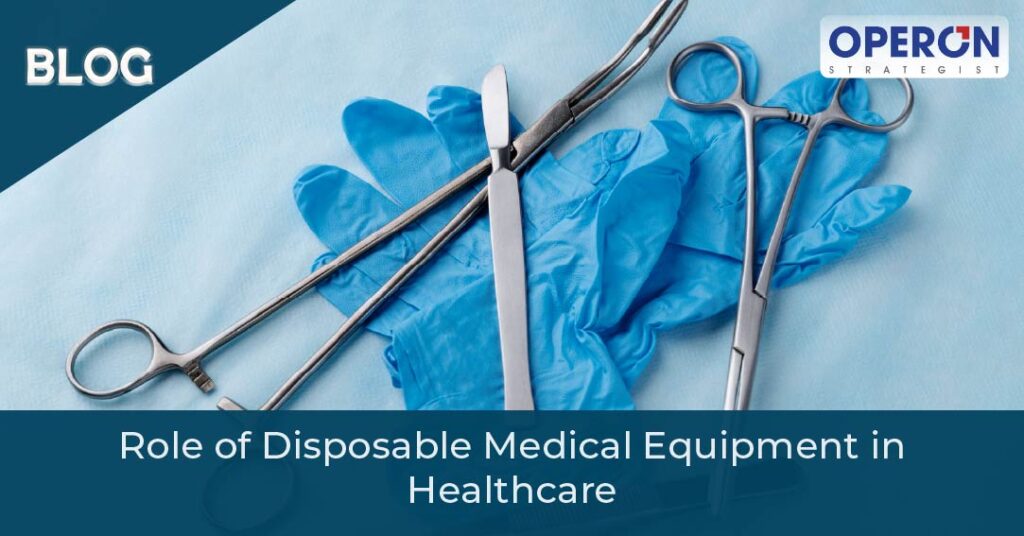
- Surgical gloves and masks
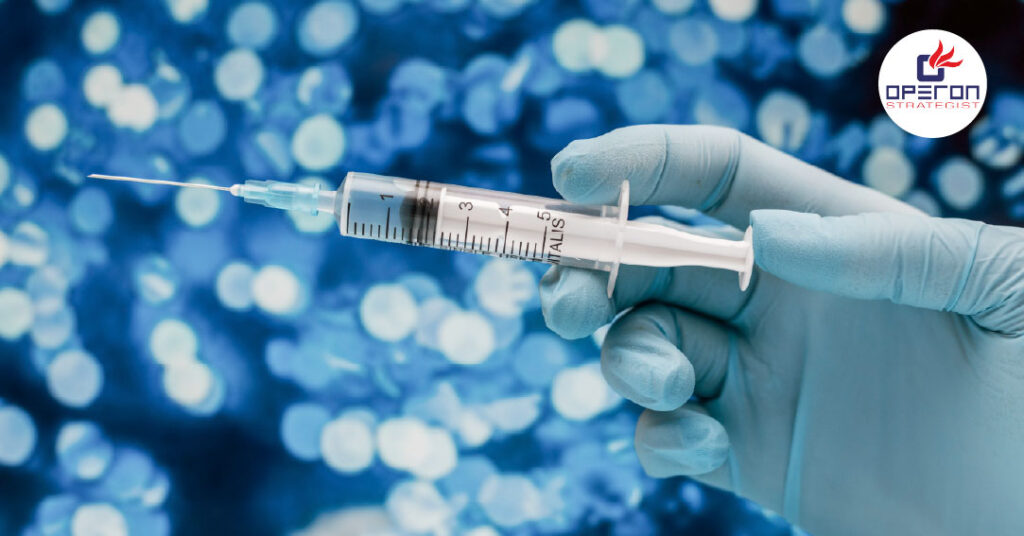
- Hypodermic needles and syringes
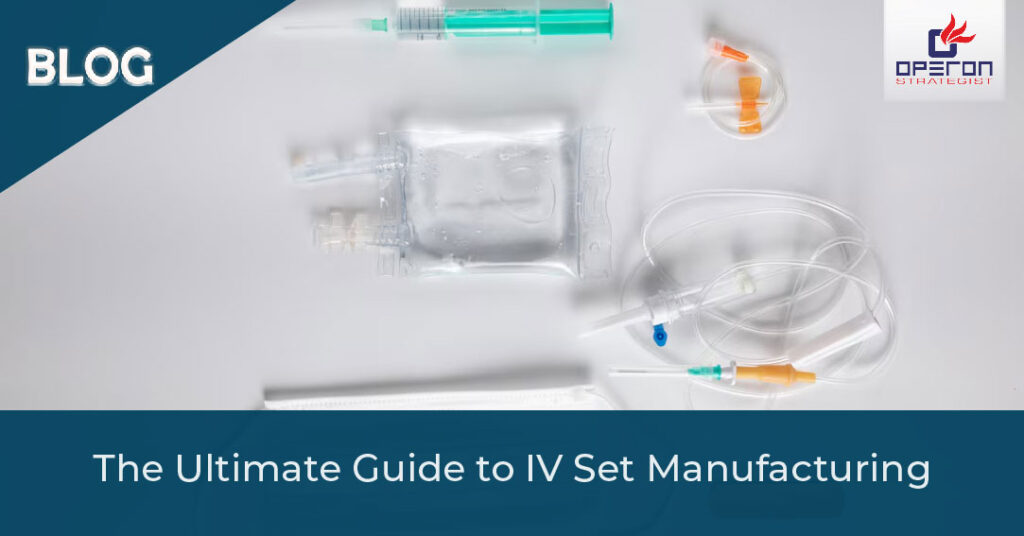
- IV cannulas and IV sets
- Blood collection tubes
- Surgical gowns and drapes
- Urine bags and suction catheters
- Face shields and protective covers
These products are widely used in hospitals, clinics, ambulatory centers, diagnostic labs, and even home healthcare settings.
Infection Control and Patient Safety
One of the most important roles of disposable medical equipment is infection prevention.
Hospital acquired infections remain a serious concern worldwide. Reusable equipment, if not sterilized properly, can become a source of cross contamination. Disposable products eliminate this risk because they are used once and discarded.
For example:
- Single use syringes prevent blood borne infections such as HIV and hepatitis.
- Disposable gloves reduce direct contact contamination.
- Sterile surgical drapes create a protective barrier during procedures.
By reducing infection risk, disposable devices protect both patients and healthcare workers. This directly improves clinical outcomes and reduces legal and regulatory risks for healthcare facilities.
Operational Efficiency in Healthcare Facilities
Healthcare systems are under constant pressure to treat more patients with limited resources. Disposable equipment supports this need in several ways.
First, it reduces the need for sterilization infrastructure. Reusable instruments require cleaning, autoclaving, tracking, and quality checks. This takes time, labor, and capital investment.
Second, it speeds up procedures. Staff do not have to wait for equipment to be reprocessed. They can simply open a sterile pack and use the device immediately.
Third, it lowers the risk of human error. Improper cleaning or handling of reusable devices can lead to serious complications. Disposable products reduce this dependency.
For hospital administrators, this translates to:
- Faster patient turnover
- Lower infection related costs
- Simplified inventory management
Compliance With Regulatory Standards
Healthcare regulations are becoming stricter across the globe. Authorities expect healthcare providers to follow strict hygiene and infection control protocols.
Disposable medical equipment helps facilities meet these expectations. In many cases, guidelines recommend or mandate single use products for certain procedures.
For manufacturers, this also means strong regulatory oversight. Disposable devices must meet safety, sterility, biocompatibility, and quality standards.
If you are a manufacturer or startup, you must comply with:
- ISO 13485 quality management requirements
- FDA regulations or CE marking requirements
- Sterilization validation standards
- Packaging and labeling norms
Proper documentation, validation, and quality control are critical. Without this, market entry becomes difficult.
This is where expert regulatory and compliance guidance becomes essential.
Growing Demand Across Healthcare Segments
The demand for disposable medical equipment continues to grow due to several factors:
- Rising number of surgeries
- Increasing chronic diseases
- Expansion of diagnostic services
- Growth in home healthcare
- Higher awareness of infection control
The COVID 19 pandemic further highlighted the importance of disposable PPE and medical supplies. Even after the crisis, healthcare systems remain focused on preparedness and safety.
Emerging markets are also investing heavily in healthcare infrastructure. New hospitals, labs, and clinics mean new demand for single use devices.
For entrepreneurs and manufacturers, this represents a strong and stable market opportunity.
Cost Considerations and Long Term Value
At first glance, reusable devices may appear more economical. However, when you factor in sterilization costs, manpower, equipment maintenance, and infection risks, disposable products often prove cost effective in the long run.
Consider the hidden costs of hospital acquired infections:
- Extended hospital stays
- Additional medication and treatment
- Legal claims
- Loss of patient trust
Disposable devices help reduce these risks. In many cases, the cost of prevention is far lower than the cost of complications.
For healthcare providers, the focus is shifting from upfront cost to total cost of care. Disposable equipment supports this approach.
Innovation in Disposable Medical Devices
Disposable medical equipment is not limited to basic supplies. Innovation is transforming this segment.
Manufacturers are developing:
- Safety engineered syringes with needle protection
- Antimicrobial coated catheters
- Eco friendly and biodegradable materials
- Smart disposable sensors for monitoring
There is also a growing focus on improving ergonomics, reducing material waste, and enhancing packaging efficiency.
If you are planning to enter this space, product design and regulatory strategy must go hand in hand. Innovation without compliance will not succeed in regulated markets.
Environmental Concerns and Sustainable Solutions
One common concern with disposable medical equipment is medical waste. Single use devices contribute to biomedical waste generation.
However, healthcare facilities prioritize patient safety above all. The solution is not eliminating disposable devices but managing waste responsibly.
Manufacturers can take proactive steps such as:
- Using recyclable materials where possible
- Reducing packaging layers
- Designing lightweight products
- Supporting proper waste segregation
Sustainability is becoming an important differentiator in the medical device industry. Forward thinking companies are already adapting.
Opportunity for Manufacturers and Startups
If you are a startup, importer, or manufacturer looking to enter the medical device market, disposable medical equipment offers strong potential.
But success requires more than just manufacturing capability.
You need:
- Clear product classification
- Regulatory approval strategy
- Sterilization validation
- Cleanroom setup guidance
- Quality management system implementation
- Risk management documentation
Missing any of these steps can delay product launch or result in regulatory rejection.
Working with experienced consultants can help you move faster, avoid costly mistakes, and build a compliant manufacturing setup from day one.
Here's How Operon Strategist Can Help You?
- Product classification and regulatory pathway planning
- FDA, CE, UKCA, CDSCO and other regulatory approval support
- ISO 13485 and quality management system implementation
- 21 CFR Part 820 compliance guidance
- Cleanroom design, validation, and documentation
- Risk management and technical file preparation
- End to end turnkey project consulting for manufacturing facilities
Instead of struggling with fragmented service providers, you get structured guidance under one roof. The focus is not just on documentation, but on building a system that passes audits and supports long term growth.
If you are serious about launching or expanding your disposable medical equipment business, working with an experienced regulatory and quality partner can save you time, cost, and repeated corrections.
Operon helps you move forward with clarity, compliance, and confidence.
Disposable medical equipment includes single use medical devices that are discarded after one procedure or patient use. Examples include syringes, needles, IV sets, gloves, surgical drapes, catheters, blood collection tubes, and face masks.
Single use devices reduce the risk of cross contamination and hospital acquired infections. They also eliminate the need for re sterilization, which saves time and lowers operational complexity for healthcare facilities.
Yes, the demand for disposable medical products is consistently high due to infection control requirements, rising surgical procedures, and expanding healthcare infrastructure. However, profitability depends on regulatory compliance, quality control, and efficient production systems.
Approvals depend on the target market. For example:
- In the USA, FDA registration and compliance with 21 CFR Part 820 may be required.
- In Europe, CE marking under MDR is necessary.
- In India, CDSCO registration applies.
Product classification determines the exact pathway.